TruaceTracing the truth around AIMonday, September 14, 2026

All stories

1045 published stories · page 13 of 70

Both readings

International Application of Artificial Intelligence for Lesion Detection on Digital Breast Tomosynthesis: Comparing Western and Eastern Databases

Rationale and objectives The international application of artificial intelligence (AI) for lesion detection based on digital breast tomosynthesis (DBT) is limited due to disease variations among populations. We hypothesized that lesion detection models trained on either the Western or Eastern DBT dataset would exhibit reduced performance on another dataset. We proposed transfer learning to enhance lesion detection across DBT databases. Materials and methods The Western database (94 patients) was obtained from th…

Academic Radiology · Health

International Application of Artificial Intelligence for Lesion Detection on Digital Breast Tomosynthesis: Comparing Western and Eastern Databases
Predicting Synchronous Liver Metastasis in Pancreatic Cancer Using CT Radiomics and Clinical Features: A Machine Learning Approach
Both readings

Predicting Synchronous Liver Metastasis in Pancreatic Cancer Using CT Radiomics and Clinical Features: A Machine Learning Approach

Rationale and objectives To address the challenge of preoperative prediction of synchronous liver metastasis (LM) in pancreatic cancer (PC), we developed and validated machine learning models integrating clinical and computed tomography (CT) radiomics features, and compared the performance and interpretability of linear (linear discriminant analysis [LDA]) versus nonlinear (multilayer perceptron [MLP]) architectures. Materials and methods This retrospective study enrolled 340 patients with pancreatic ductal aden…

Health
Attitudes, perceptions, and UTAUT-based factors influencing the acceptance of medical artificial intelligence among Chinese oncology healthcare professionals: a national cross-sectional survey
Both readings

Attitudes, perceptions, and UTAUT-based factors influencing the acceptance of medical artificial intelligence among Chinese oncology healthcare professionals: a national cross-sectional survey

Objectives To conduct a nationwide survey among professionals working in oncology departments in China to investigate their attitudes, perceptions, and experiences regarding medical artificial intelligence (AI), and to explore and compare the factors influencing AI behavioral intention (BI; willingness to adopt AI) between physicians and nurses using the Unified Theory of Acceptance and Use of Technology (UTAUT). Materials and methods A nationwide cross-sectional survey was conducted among professionals in oncol…

Health
An Explainable Computer-Aided Framework for Skin Lesion Classification Using Deep Learning
Evidence-backed gain

An Explainable Computer-Aided Framework for Skin Lesion Classification Using Deep Learning

The utilization of deep convolutional neural networks for the purpose of diagnosing diseases in the skin area has proven to yield similar accuracy levels to those obtained by dermatologists in different studies. Nevertheless, many challenges are still present, including underperformance and poor generalization in some cases, as well as low interpretability related to the use of black box models. This creates major obstacles for practical implementation since it requires explainability in addition to accurate dia…

Health
Deep Learning for Synthetic Postcontrast T1-Weighted MRI: A Systematic Review With Targeted Meta-Analysis of Brain Tumor Studies
Both readings

Deep Learning for Synthetic Postcontrast T1-Weighted MRI: A Systematic Review With Targeted Meta-Analysis of Brain Tumor Studies

BACKGROUND . Gadolinium-based contrast agents remain essential for MRI but carry risks. Deep learning (DL) methods have emerged as a potential approach for synthesizing postcontrast T1-weighted images from precontrast sequences alone. OBJECTIVE . The objective of the present study was to systematically review DL-based synthesis of postcontrast T1-weighted MRI, characterize model architectures and evaluation practices across subspecialties, and perform targeted meta-analysis where sufficient literature existed. E…

Health
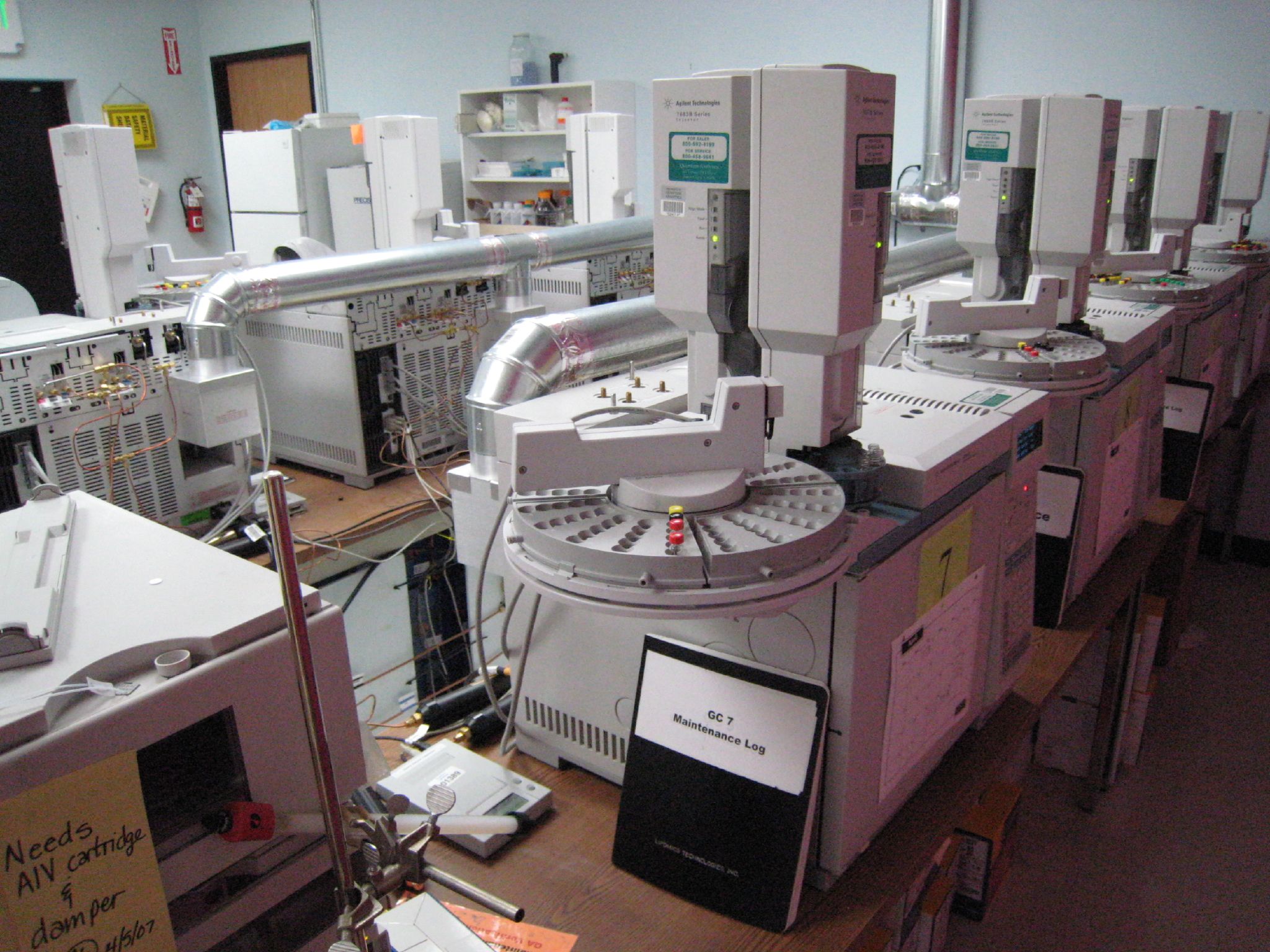
Separation of coeluted compounds in capillary gas chromatography: customization via machine learning retention time prediction
Evidence-backed gain

Separation of coeluted compounds in capillary gas chromatography: customization via machine learning retention time prediction

Gas Chromatography is a versatile separation technique widely used in analytical chemistry for constituent determination. However, gas chromatography compound identification is not directly feasible unless the method is coupled with complementary techniques such as mass spectrometry or with referencing methods like retention indices. Statistical retention time prediction of compounds based on the gas chromatography experimental and instrumental parameters could facilitate the gas chromatography characterization…

Science
AI-ICE Guided Pulsed Field Ablation of Atrial Fibrillation with Variable Loop Circular Catheter
Evidence-backed gain

AI-ICE Guided Pulsed Field Ablation of Atrial Fibrillation with Variable Loop Circular Catheter

Background Intracardiac echocardiography (ICE) facilitates left atrial (LA) reconstruction during atrial fibrillation (AF) ablation. The artificial intelligence-based CARTOSOUND FAM (AIFAM) module enables automated three-dimensional LA reconstruction without the need for a dedicated pre-ablation mapping catheter. While this workflow has been described previously in radiofrequency ablation, its application and outcome in pulsed field ablation (PFA) remains limited. Objective To evaluate the feasibility, safety, a…

Health

Intramuscular Fat Assessed by AI-Assisted Muscle Ultrasound: Association With Cardiometabolic Risk Factors and Diabetic Nephropathy in Diabetes Mellitus

Aims Intramuscular fat (IMF) is increasingly recognized as a marker of ectopic adiposity and adverse cardiometabolic outcomes. Artificial intelligence (AI)-assisted ultrasound of the rectus femoris (RF) offers a non-invasive approach for quantifying IMF. This study evaluated the association of IMF with diabetes-related complications (particularly diabetic nephropathy) and metabolic risk factors in patients with diabetes mellitus (DM). Materials and methods In this cross-sectional study, outpatients from a tertia…

Health
Intramuscular Fat Assessed by AI-Assisted Muscle Ultrasound: Association With Cardiometabolic Risk Factors and Diabetic Nephropathy in Diabetes Mellitus

Stacked Ensemble Deep Learning Models for Accurate Detection and Size Stratification of Periapical Lesions on Intraoral Radiographs

Periapical lesions are challenging to detect on intraoral radiographs because of anatomical superimposition and reader variability. This study developed stacked deep learning ensembles for automated detection and radiographic size stratification of periapical lesions. In total, 146 radiographs comprising normal cases and three lesion-size categories were cropped around the root apex and augmented using predefined transformations. Five convolutional neural network backbones were trained, and their probability out…

Health
Stacked Ensemble Deep Learning Models for Accurate Detection and Size Stratification of Periapical Lesions on Intraoral Radiographs

Robotic Ultrasound Imaging: A Comprehensive Review of Historical Evolution, Current State-of-the-Art, and Future Perspectives

Ultrasound imaging is an indispensable diagnostic tool, yet its profound reliance on operator expertise inherently restricts its reproducibility and global accessibility. Robotic ultrasound systems (RUSS) have evolved over the past 2 decades to mitigate these limitations by mechanically decoupling the human operator from the patient. This comprehensive review examines the historical trajectory of medical ultrasonography and robotics, highlighting their convergence into modern RUSS. We detail the taxonomies of ro…

Health
Robotic Ultrasound Imaging: A Comprehensive Review of Historical Evolution, Current State-of-the-Art, and Future Perspectives

Adaptation of a fair individualized polysocial risk score for hospitalization risk prediction

Objectives We adapted the individualized polysocial risk score (iPsRS), a machine learning model originally developed for patients with type 2 diabetes, to evaluate its generalizability in predicting 1-year hospitalization risk in a disease-agnostic adult cohort, with attention to fairness and explainability. Materials and methods The study utilized de-identified electronic health record data from a retrospective cohort of 17 857 adult patients at the University of Florida Health. The original iPsRS framework wa…

Health
Adaptation of a fair individualized polysocial risk score for hospitalization risk prediction

Diagnosing melioidosis and tracking treatment outcomes using breath

Melioidosis is a life-threatening infectious disease caused by Burkholderia pseudomallei ( Bp ). Rapid diagnosis and appropriate antimicrobial treatment are critical to reduce mortality, yet diagnosis is hindered by diverse clinical manifestations, mimicry with other diseases, and reliance on slow culture-based methods. Detecting volatile compounds offers a non-invasive approach for rapid infection detection. In this study, we aim to identify volatile compounds in patients' breath that can aid in diagnosing meli…

Health
Diagnosing melioidosis and tracking treatment outcomes using breath

Dynamic F1-score-based voting strategies for multi-class classification: an adaptive ensemble approach for non-linear and imbalanced datasets

Classification is a core machine learning task, and ensemble voting methods are widely used to improve predictive accuracy in domains such as medical diagnosis, where class imbalance and non-linear decision boundaries are common. Conventional strategies: Majority Voting (MV), Weighted Voting (WV), and Soft Voting (SV) rely on static or classifier-level weighting schemes that fail to capture per-class differences in classifier reliability. Three dynamic, class-specific voting strategies are introduced: Highest Cl…

Health
Dynamic F1-score-based voting strategies for multi-class classification: an adaptive ensemble approach for non-linear and imbalanced datasets

Developing and evaluating automated deep learning and human-in-the-loop vision-language systems for microplastic characterization

Microplastic (MP) pollution poses escalating environmental risks, demanding efficient and reproducible tools for morphological characterization of plastic particles. Traditional manual microscopy is labour-intensive, operator-dependent, and poorly suited to large-scale monitoring. This study presents a comparative evaluation of two distinct artificial intelligence paradigms for the analysis of optical microscope images of microplastics. The first paradigm is a domain-specific, multi-task deep learning (DL) class…

Climate
Developing and evaluating automated deep learning and human-in-the-loop vision-language systems for microplastic characterization