 ace
aceEvidence-backed problem
Victim loses £250k after scammers use AI video of 'well-known' celebrity
The PSNI described the scam as "sophisticated" and said the victim was encouraged to borrow money to continue investing.

1045 published stories · page 6 of 70
The PSNI described the scam as "sophisticated" and said the victim was encouraged to borrow money to continue investing.

Abstract Generative artificial intelligence (GenAI) can be used to author academic texts at a similar level to what humans are capable of, causing concern about its misuse in education. Addressing the role of GenAI in teaching and learning has become an urgent task. This study reports the results of a survey comparing educators’ (n = 68) and university students’ (n = 158) perceptions on the appropriate use of GenAI in the writing process. The survey included representations of user prompts and output from ChatGP…

Personalized nutrition (PN) aims to prevent and manage chronic diseases by providing individualized dietary guidance based on genetic, metabolic, and lifestyle data. Artificial intelligence (AI) has become a key enabler in PN by analyzing large-scale, multiomics datasets in obesity, diabetes, cardiovascular, and gastrointestinal disorders, where digital twins and health knowledge graphs support personalized interventions. Current findings demonstrate that AI models can guide microbiome-based dietary intervention…

Background Colorectal cancer (CRC) ranks as the third highest incidence among malignancies for human and the second most common cause of cancer-related mortality in the United States. Accumulating evidence has established microRNAs (miRNAs) as critical regulators of cancer development and therapeutic response. Understanding miRNA-mRNA interactions is critical for elucidating the molecular mechanisms driving CRC and other malignancies. However, accurately modeling miRNA-mRNA interactions and their binding pattern…

Aims To develop a cardiovascular disease (CVD) risk prediction model with improved accuracy and interpretability by integrating diverse risk factors and applying Automated Machine Learning (AutoML), thereby enhancing clinical utility over conventional models. Methods This is a prospective cohort study. Data were obtained from the Multi-Ethnic Study of Atherosclerosis (MESA), including baseline and fifth follow-up visits, comprising 4713 participants. Exercise and dietary data were harmonized via Metabolic Equiva…

Rationale and objectives Pediatric supracondylar fractures (SCFs) are the most common elbow injury in children, yet radiographic diagnosis remains challenging due to complex developmental anatomy, with initially missed fracture rates of 17-77%. Prior artificial intelligence (AI) studies have been limited to binary classification frameworks without Gartland subtype differentiation, and no diagnostic test accuracy meta-analysis specific to supracondylar fractures exists. This study aimed to develop the first multi…

Rationale and objectives Artificial intelligence (AI) has rapidly transformed radiology practice, yet structured and practical AI education remains inconsistently integrated into radiology residency training. We developed and implemented a hands-on AI curriculum designed to integrate core computational principles with clinically relevant imaging applications. This study describes the curriculum design and evaluates its feasibility, reproducibility, and preliminary educational outcomes over three consecutive year…
Rationale and objectives To map artificial intelligence (AI) and radiomics applications in computed tomography (CT), magnetic resonance imaging (MRI), and fluorodeoxyglucose positron emission tomography/CT (FDG-PET/CT) for oropharyngeal squamous cell carcinoma (OPSCC) in the context of human papillomavirus (HPV) status and treatment deintensification, evaluate reporting quality using TRIPOD+AI (Transparent Reporting of a multivariable prediction model for Individual Prognosis Or Diagnosis + Artificial Intelligen…

Purpose To develop and externally validate an ultrasound-based habitat subregional radiomics model for preoperative prediction of invasive breast cancer with concomitant ductal carcinoma in situ (IBC-DCIS). Methods A total of 1063 pathologically confirmed breast cancer patients from two centers were retrospectively enrolled and divided into a training cohort (n = 637) and an external validation cohort (n = 426). Tumor regions of interest were manually delineated on two-dimensional ultrasound images and further p…

Background Automation risk is often framed as a question of which jobs can be automated. This perspective neglects how the structure of work itself shapes workers' vulnerability to AI-driven change. In occupational health research, job characteristics such as autonomy, task variety, and social interaction are known to influence worker well-being, yet are rarely incorporated into assessments of AI-related occupational risk. Methods To capture this complex vulnerability, this study distinguishes between Automation…

Purpose To elucidate Mistral-NeMo's proficiency as a novel artificial intelligence assistant to verify coding accuracy and improve efficiency in manual medical coding practices in orthopaedic surgery. Methods This study tested Mistral-NeMo on 1000 operative notes labeled with the Current Procedural Terminology (CPT) codes from 177 providers. In total, there were 46 unique CPT codes; the most common were 29881 (knee arthroscopy with meniscectomy for both medial and lateral menisci), 29880 (knee arthroscopy with m…

Danny Boyle utilized AI technology to craft 30 seconds of imagery for his Rupert Murdoch drama Ink, which debuted at Venice and Telluride film festivals.

Oscar-winning filmmaker Danny Boyle has confirmed that generative artificial intelligence was used for around 30 seconds in his new film 'Ink', which chronicles the rise of British tabloid newspaper The Sun in the 1970s.
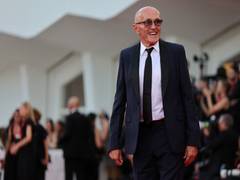
When I was growing up, my dad and I often talked about a story we wanted to write together. It was called “The Day Nobody Went to Disneyland”. One day, the story goes, the weather is so perfect that everyone in the world decides to stay away from Disneyland because they expect it to be far too busy. But my dad, who has the same thought as them, sees the disappointment on my face that morning – and decides to risk it. We set off. And when we arrive, the park is completely empty. Nobody else was brave enough to vi…

Introduction: This mixed methods study examines the effects of AI-mediated language instruction on English learning achievement, L2 motivation, and self-regulated learning among English as a Foreign Language (EFL) learners. It addresses the increasing interest in AI-driven educational technologies and their potential to revolutionize language instruction. Methods: Two intact classes, consisting of a total of 60 university students, participated in this study. The experimental group received AI-mediated instructi…
